
Cart
Total: $ 0.00
Taxes and shipping calculated at checkout

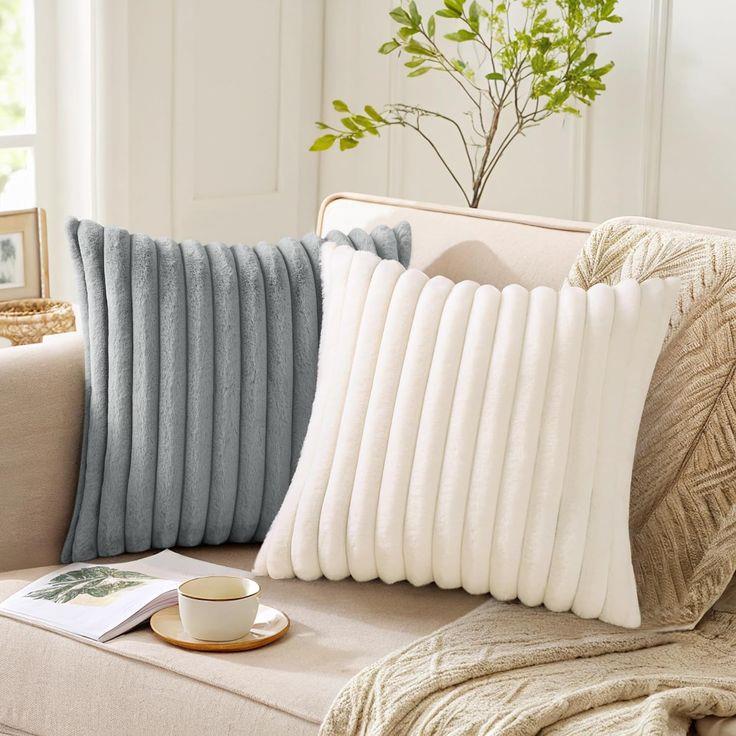
Decorative pillow covers are one of the simplest and most affordable ways to refresh your living room. Whether you want a cozy, modern, or vibrant aesthetic, the right combination of colors, patterns, and textures can completely transform any seating space. Mixing and matching pillow covers may seem tricky, but with a few guidelines, you can create a designer-approved arrangement that looks polished, intentional, and stylish.
In this guide, we’ll walk through expert techniques for selecting and arranging decorative pillow covers, including how to combine patterns, choose sizes, play with textures, and build a cohesive palette. We’ll also discuss how to incorporate throw pillows covers, decorative pillow coverings, designer throw pillows, and even vintage throw pillow elements to elevate your home décor effortlessly.
Decorative pillow covers do more than add color. They help define your style, soften your space, and make your living room feel warm and inviting. Compared to large furniture purchases, pillow covers are budget-friendly and easy to update seasonally or whenever you want a fresh look.
If you're looking for high-quality options, brands like One Affirmation offer a wide selection of handcrafted pillows, fabrics, and styles perfect for every interior design preference.
Color is the foundation of good pillow styling. Before buying any pillows covers, examine your living room’s existing elements, sofa color, rug pattern, curtains, and wall paint.
This helps maintain harmony while still giving your room visual depth.
Texture brings dimension to your living room. Without it, even the most beautifully colored pillows can look flat.
For example, pairing a linen pillow with a velvet decorative pillow cover instantly elevates your sofa's look.
Pattern mixing can feel intimidating, but there's a simple formula designers use.
One Simple + One Busy + One Solid
This keeps your arrangement balanced.
If you love the charm of traditional designs, incorporating a vintage throw pillow with intricate prints can add character and warmth to a modern sofa.
Uniform sizes can make your sofa look stiff. A strategic combination of shapes adds interest.
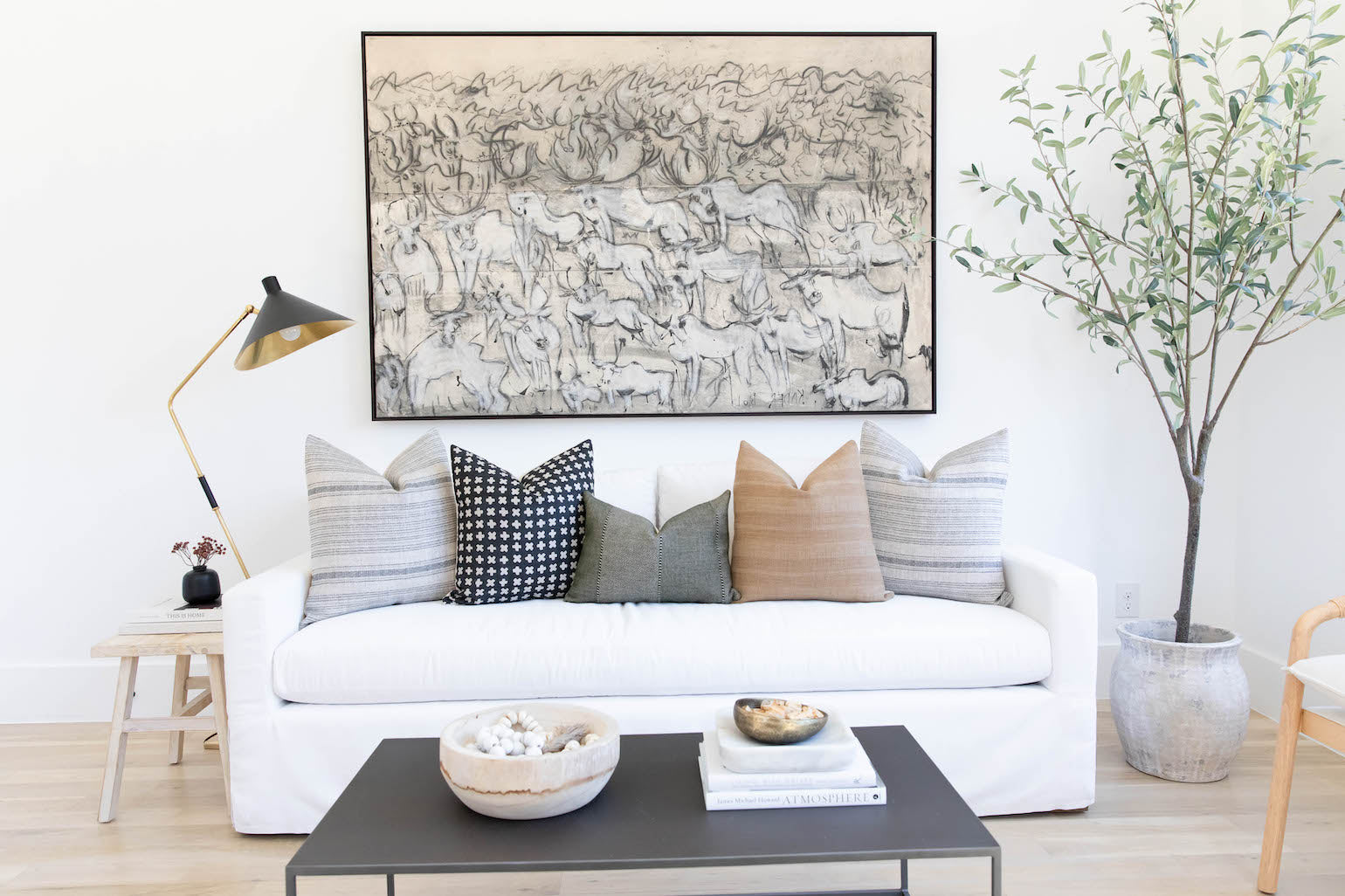
A well-designed arrangement might include two large 22x22 pillows at the ends, followed by 20x20 pillows, and a lumbar pillow in the center.
High-end retailers often use this technique to create a luxury look with designer sofa pillows.
Interior designers prefer odd numbers when styling pillows because they naturally appear more dynamic and visually appealing.
However, avoid overcrowding. Your sofa should still feel comfortable and functional.
Decorative pillow covers make seasonal decorating easy.
Seasonal updates ensure your living room always feels fresh and aligned with your home’s atmosphere.
Your sofa’s shape and material impact your pillow choices.
If your room has architectural or design features — a statement rug, wall art, or décor — you can use pillows to enhance these elements.
For example, if your artwork features terracotta and navy, choose pillow covers that subtly include these shades.
Sectionals offer more space but require thoughtful styling.
Designers often place designer throw pillows strategically to create symmetry and softness.
Even the most beautiful decorative pillow covers need good inserts.
Use inserts that are 2 inches larger than the cover for a full, plush look.
Example: For a 20x20 cover, choose a 22x22 insert.
Solids are essential because they balance visual complexity.
For example, mix two patterned pillows with one solid velvet pillow for a designer-inspired arrangement.
While organic arrangements look beautiful, symmetry can help create formality.
Place matching sets of pillows on each end to create balance and harmony.
Every home has its own personality. Your pillow combinations should reflect it.
Whether you prefer calm neutrals or statement prints, decorative pillow covers offer limitless styling possibilities.
Pillow styling doesn’t stop at the sofa.
Mixing sizes and patterns in these areas creates a cohesive flow throughout your home.
If you want long-lasting, beautifully crafted pillows, consider choosing professional brands. You can explore a curated range of decorative pillow covers at One Affirmation. They offer designer-quality fabrics, hand-crafted details, and the latest textures, from modern neutrals to vibrant global prints.
For more personalized help, you can always contact us through their customer service page to find the perfect pillow set for your home.
Mixing and matching decorative pillow covers is an art, but not a complicated one. With the right color palette, textures, patterns, and arrangement, you can instantly upgrade your living room without changing your furniture. Whether you prefer minimalist elegance, bold patterns, or cozy seasonal designs, decorative pillow coverings allow you to express your style effortlessly.
By pairing high-quality pillow covers with thoughtful design techniques and drawing inspiration from designer throw pillows or vintage throw pillow styles, you’ll create a space that feels balanced, inviting, and full of personality.
1. How many decorative pillow covers should I use on a sofa?
Most sofas look best with three to five decorative pillow covers. A small sofa works well with three pillows, while a standard or deep sofa can handle five. Sectionals may need seven or more, depending on size.
2. How do I choose the right size for decorative pillow covers?
Start with larger pillows (22x22 or 20x20) for the corners of your sofa, then layer with smaller sizes or a lumbar pillow in the center. Always use inserts that are 2 inches larger than your pillow cover for a full, plush look.
3. Can I mix different textures and fabrics together?
Yes! Mixing textures like velvet, linen, cotton, and bouclé adds depth and richness to your living room. Pairing smooth and textured fabrics helps your pillows feel visually interesting and more designer-styled.
4. What colors work best for decorative pillow coverings?
Choose colors that coordinate with your room’s palette. Pull shades from your rug, curtains, or wall art. A combination of one dominant color, one secondary color, and one accent color creates a balanced look.
5. How do I mix patterned throw pillow covers without clashing?
Use one bold pattern, one medium pattern, and one simple or solid pillow. Combine different scale patterns like stripes, florals, and geometrics. Keep the color palette consistent so everything feels cohesive.
Looking for comfortable and stylish pillows and furniture for your home? Look no further than our website! We offer a wide range of high-quality options to fit any taste and budget. From cozy throw pillows to plush sofas and chairs, we have everything you need to create a comfortable and inviting living space. Shop our selection today and give your home the upgrade it deserves!


